Menopause Hair Thinning: Why It Happens and How to Care for It
Why hair often thins in perimenopause and menopause, how it differs from shedding, when to see a dermatologist, and gentle care for fuller-looking hair.

Yes, hair thinning in menopause is common, and you're not imagining it. As estrogen and progesterone rise and fall through perimenopause and menopause, hair can spend less time growing, shed more, and come back finer. It usually happens gradually, a wider part or a thinner ponytail, and a dermatologist can tell you what's behind yours.
I'm not a doctor. What follows is plain information from sources we trust, and what we've learned about gentle care. For anything about your own hair and scalp, talk to your doctor or a menopause-informed practitioner, or a dermatologist.
Why hair changes in this season
Hair grows in cycles: a long growing phase, a short resting phase, then shedding. Through perimenopause, shifting hormones can tip that cycle. On our page about why perimenopause changes your hair, we explain it this way: hair spends less time in its growing phase and more follicles enter rest, so shedding rises and new growth can come in finer. As estrogen falls, androgens have relatively more influence, and in follicles that are genetically sensitive, strands can grow finer over time.
Cleveland Clinic describes the same pattern: during menopause, changing hormone levels can make hair grow finer, and the hair you have can thin out. It's also common. Cleveland Clinic notes that more than half of women will experience noticeable hair loss at some point, and Harvard Health notes that as many as two in three women past menopause have thinning hair or bald spots. In a 2026 study of 1,457 women in perimenopause and menopause, 84% reported changes to their hair, most often shedding and thinning (Meghoma et al., British Journal of Dermatology, 2026).
Your scalp changes too. Oil and barrier lipids drop, so the scalp can feel drier, tighter and more easily irritated by harsh cleansers, and strands can get drier, more porous and quicker to break. Breakage can make hair look thinner even when the roots haven't changed much.
Hormones aren't the only reason. Cleveland Clinic lists stress, thyroid changes, anemia and vitamin deficiencies among the other causes, which is one more reason to get it checked rather than guess.
Thinning vs shedding: what's the difference?
They can look the same in the shower drain, but they're not the same thing.
Shedding is losing more hairs than usual from all over your head. According to the American Academy of Dermatology, it's normal to shed between 50 and 100 hairs a day. Excessive shedding often follows a stressful stretch: caring for someone who is ill, a divorce, losing a job, a big weight loss. The AAD says that as your body readjusts, the extra shedding eases, though it can last longer if the stress stays.
Thinning is slower. With female pattern hair loss, the AAD says your part often gets wider and hair near your temples may recede. For most women it begins in midlife, in our 40s, 50s or 60s, and because it's more common after menopause, hormones may play a role.
Many women in this season notice both at once. For the longer story of what's going on underneath, read why your hair changes in perimenopause.
When to see a doctor or dermatologist
Book an appointment if:
- your part is widening or you can see more scalp than you used to
- hair is coming out in clumps or patches
- the shedding is sudden, or comes with other symptoms like tiredness, weight changes or a sore, itchy or scaly scalp
- you've started a new medication and noticed changes since
The AAD puts it simply: a dermatologist can tell you whether you have hair loss or excessive shedding, and because other conditions can look like female pattern hair loss, it's worth ruling them out. Ask whether blood tests for thyroid and iron make sense for you; Cleveland Clinic lists both among the usual checks. A few photos of your part, taken a month or two apart, can help the conversation.
Going early matters. The AAD says options work best when started at the first sign of hair loss, so waiting to "see if it passes" can cost time you'd rather have back.
Gentle care for fuller-looking hair
Care won't change what's happening at the root, and no shampoo replaces a visit to a dermatologist. But how you care for your hair day to day can make a real difference to how it looks and feels.
- Cleanse gently. A sulfate-free shampoo lifts buildup without stripping the oil a drier scalp needs.
- Condition every time. Putting back moisture and lipids helps strands feel softer and break less, which helps hair look fuller.
- Be kind to your scalp. A comfortable, healthier-looking scalp is the base for everything else. Skip harsh scrubs and very hot water.
- Ease off heat and tension. Tight ponytails, buns and braids pull at the roots, and high heat makes fragile strands snap. Try a lower dryer setting and looser styles.
- Handle wet hair softly. Squeeze, don't rub, and use a wide-tooth comb from the ends up.
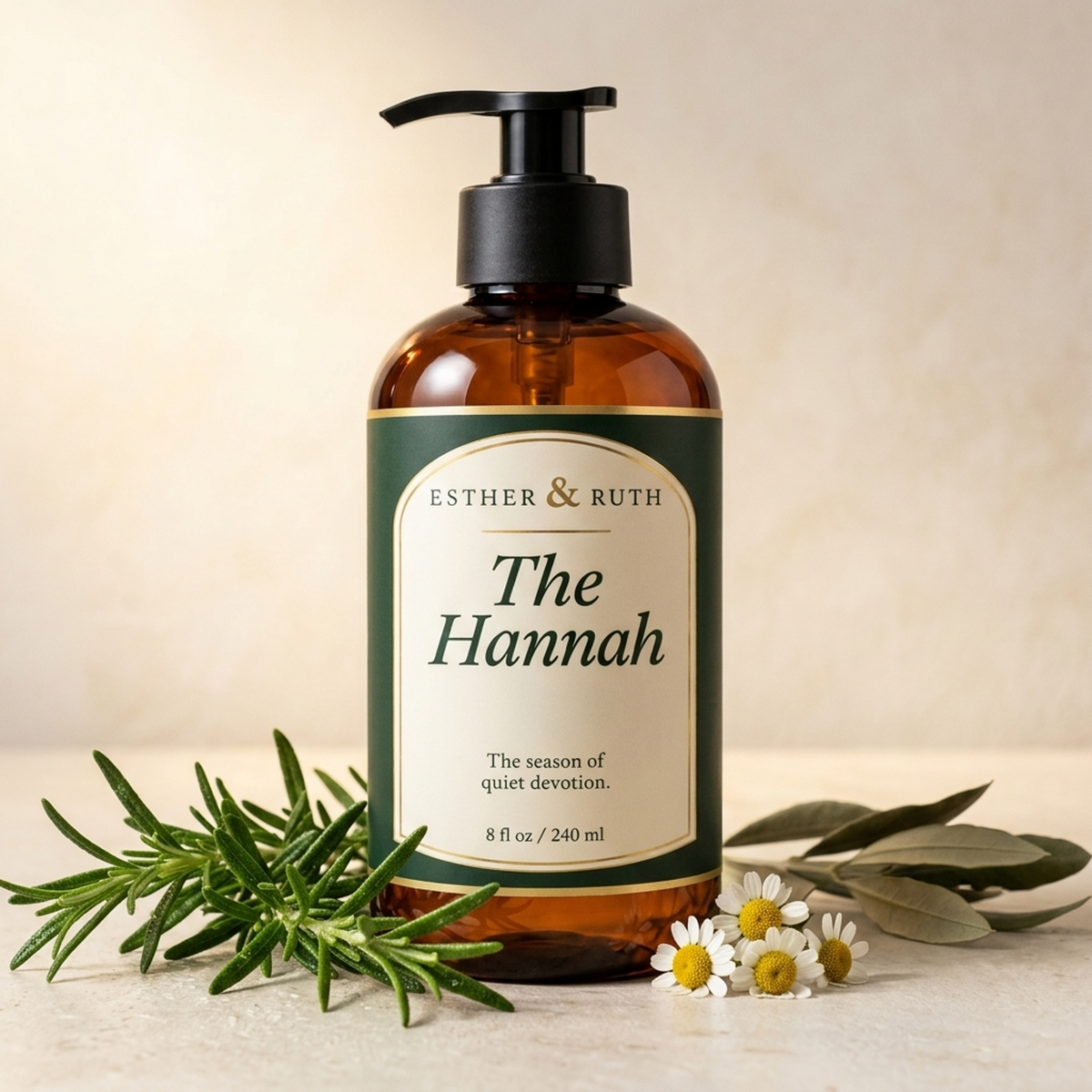
The AAD notes that some shampoos can help hair look fuller by holding moisture and reducing breakage, and is clear that they can't change the hair loss itself. That's the honest promise of good care, and it's how we think about ours. The Founders Kit for perimenopause hair care pairs a sulfate-free shampoo, a hydrating conditioner and a scalp tonic for a healthier-looking scalp and the appearance of fuller hair. If you'd like the steps, here's our care routine, explained step by step.
What I changed in my own routine
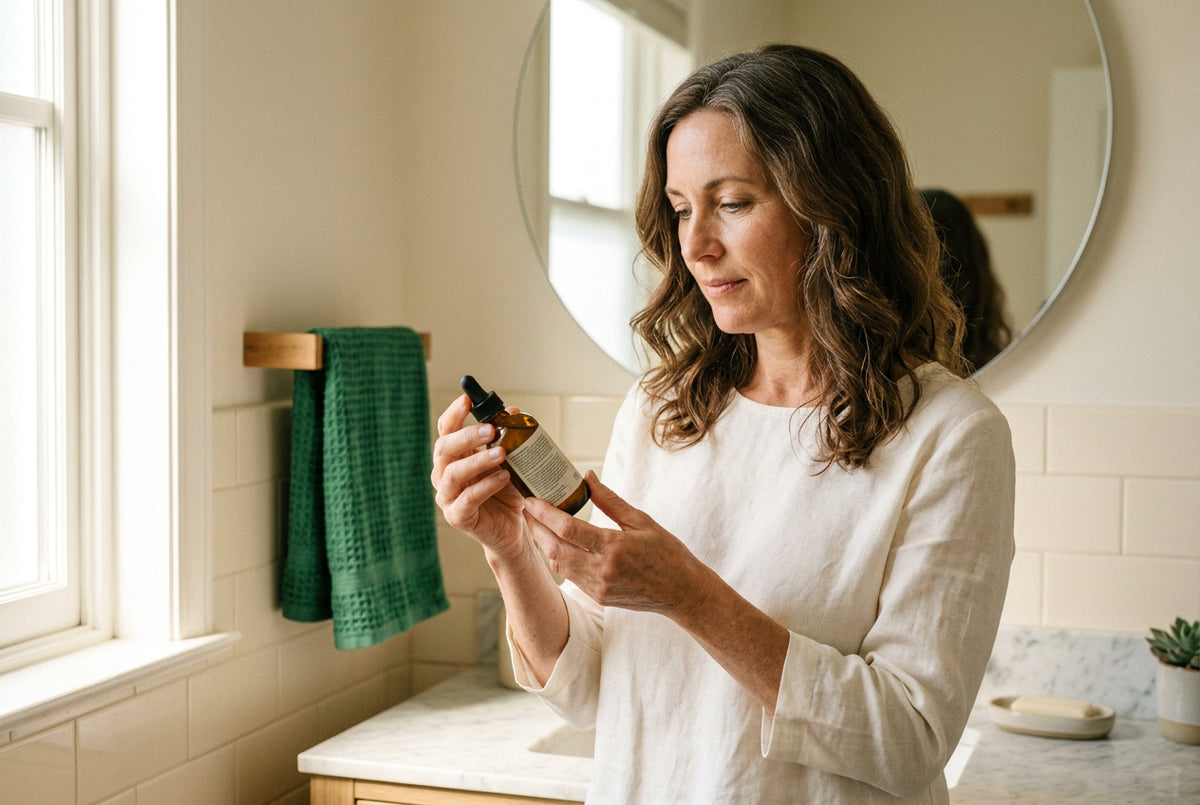
During perimenopause, when my hair changed, I was not completely convinced it was because of my hormone changes, but that is exactly what happened. I had to embrace that my scalp care and hair care were exactly how I had a routine for my face. The connection to the two seems obvious, yet so many generations of women were taught about skin care but not scalp care. Seeing my scalp as a system of care was a game changer for how my hair looks and feels. I started with how I shampoo (never the bottom 3/4 of your hair), serums and actives for my scalp, just like my face. All a game changer.
You don't have to work this out alone. In Estherhood, our free community for women in perimenopause, women talk honestly about the shower drain, the part in the mirror and everything else this season brings. Come as you are.
We're not doctors. This is education, not medical advice. If something worries you, talk to your doctor or a menopause-informed practitioner.
Questions women ask
Is hair thinning normal in menopause?
It's common. Shifting hormones can make hair grow finer and shed more, and female pattern hair loss is more common after menopause. Common doesn't mean you have to simply live with it: a dermatologist can check for other causes, like thyroid or iron, and talk you through your options.
Does menopause hair thinning go away?
It depends on the cause. Shedding after a stressful stretch often eases once your body readjusts. Gradual thinning from female pattern hair loss usually doesn't settle on its own, which is why the AAD suggests seeing a dermatologist at the first signs. Gentle care can help hair look fuller in the meantime.
Should I see a dermatologist about thinning hair?
Yes, especially if your part is widening, hair is coming out in clumps or patches, or it comes with other symptoms. A dermatologist can tell shedding from hair loss and rule out other causes, and options tend to work best when started early.
What shampoo is gentle on thinning hair?
Look for a sulfate-free shampoo that cleanses without stripping, followed by a moisturizing conditioner. Gentle cleansing and less breakage help hair look fuller. No shampoo changes what's happening at the root, so pair good care with advice from a dermatologist.